
Best Gauges for Hunting Mallards: Comparisons & Picks
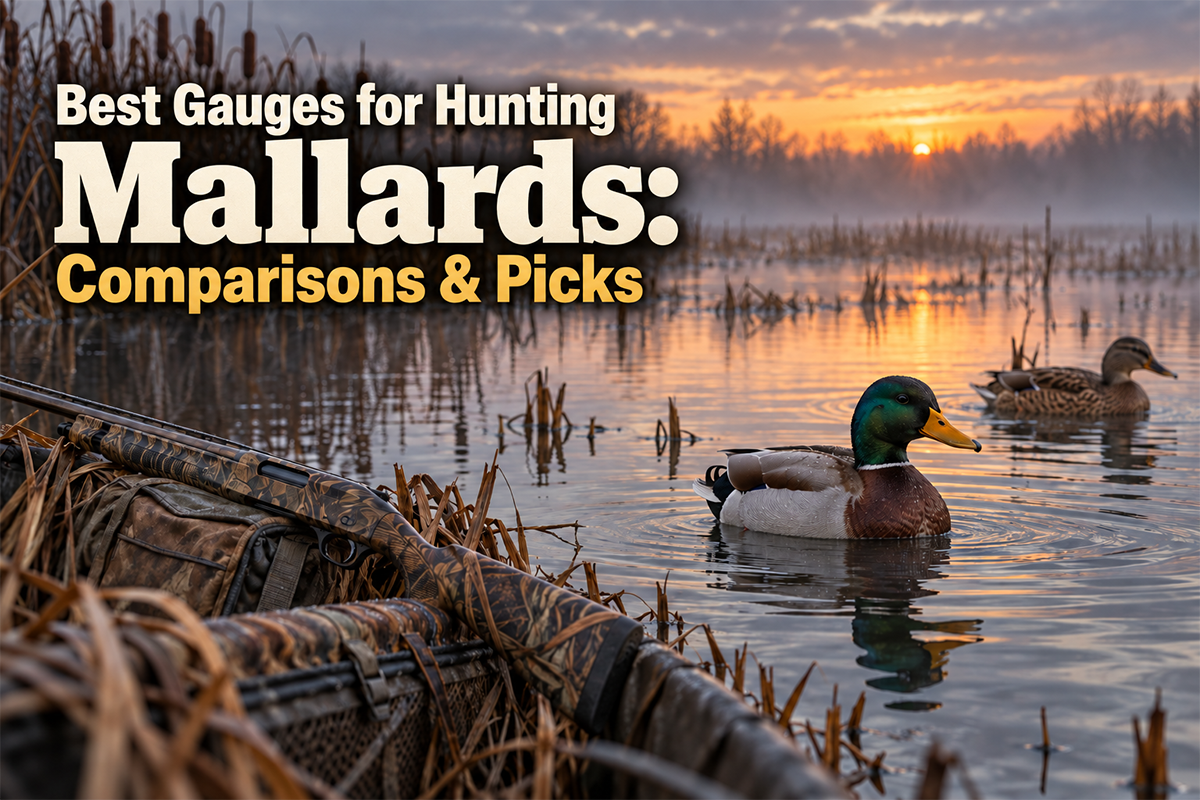
Compare 12 gauge, 20 gauge, 28 gauge, and .410 bore shotguns to find the right balance of pattern performance, recoil, and handling for mallard hunting.
Choosing the best shotgun for mallard hunting involves more than selecting the largest gauge available. The right combination of shotgun gauge, non-toxic ammunition, choke, and shooting ability determines how effectively you can hunt ducks over decoys or along natural flight paths. Among popular mallard hunting gauges, the 12 gauge offers exceptional versatility, while the 20 gauge provides manageable recoil and lighter handling. Smaller options, including the 28 gauge and .410 bore, can also work under appropriate conditions. This guide compares four shotgun options to help hunters choose equipment based on realistic hunting distances, ammunition costs, terrain, and experience.
Where/When: Mallards are commonly hunted throughout North America, particularly around prairie potholes, agricultural fields, flooded timber, marshes, rivers, and coastal wetlands in the United States and Canada. Early-season birds often frequent shallow feeding areas, while migrating mallards may concentrate around grain fields, flooded vegetation, and protected resting water as temperatures decline. During late-season cold fronts, mallards frequently shift toward unfrozen rivers and larger bodies of water. Hunting opportunities generally improve around morning feeding flights and sometimes during afternoon movement, although weather and hunting pressure influence activity. Windy conditions can encourage mallards to approach sheltered landing areas, while colder weather may change feeding patterns. Migration timing, legal hunting seasons, shooting hours, and bag limits vary significantly by region, so always consult current wildlife regulations before planning a hunt.
Mallard Hunting Gauges Compared
These comparisons assume properly fitted shotguns, approved non-toxic ammunition, and responsible shooting distances. Effective range depends on actual pattern density, pellet material, shooting skill, and conditions rather than gauge alone.
| Feature | 12 Gauge | 20 Gauge | 28 Gauge | .410 Bore |
|---|---|---|---|---|
| RecoilTypical felt recoil with comparable hunting configurations. | Moderate to heavy | Light to moderate | Generally light | Generally light |
| Practical RangeApproximate planning distances with proven patterns and suitable ammunition. | 25–40 yards | 20–35 yards | 20–30 yards | 15–25 yards |
| Typical Shot PayloadRepresentative waterfowl loads; exact offerings vary. | 1–1⅜ oz. | ⅞–1¼ oz. | ⅝–1⅛ oz. | ⅜–11/16 oz. |
| VersatilitySuitability for different waterfowl situations. | Excellent; decoys, open marshes, larger ducks | Excellent; timber, decoys, general duck hunting | Good; controlled decoy presentations | Limited; specialized close-range hunting |
| Ammo AvailabilityGeneral availability of suitable non-toxic waterfowl loads. | Excellent | Very good | Moderate | Limited |
These ranges are conservative guidelines, not guaranteed lethal distances. Pattern-test each load at the distances you intend to hunt. Actual payloads vary by manufacturer, shell length, and shot material.
1. 12 Gauge – Best Overall for Mallard Hunting
The 12 gauge remains the most versatile choice for mallard hunters because it combines widely available ammunition, substantial shot payloads, and reliable pattern potential. It performs well during flooded-timber hunts, agricultural-field setups, and open-water decoy hunting. Common 2¾-inch and 3-inch non-toxic loads provide useful options without requiring maximum-length magnum shells. Steel shot sizes No. 2 through No. 4 are common mallard choices, depending on pattern performance and expected distances.
PROS
- Wide selection of steel, bismuth, and other approved non-toxic ammunition.
- Generous payload options support consistent pattern density.
- Versatile for ducks and many other shotgun hunting applications.
CONS
- Heavier loads can produce substantial recoil.
- Some waterfowl shotguns are tiring during long walks.
- Magnum loads may cost more without improving practical results.
Interesting Fact: A properly patterned 12 gauge using a moderate 2¾-inch load can outperform a poorly matched 3½-inch magnum load at realistic mallard distances. More shot does not automatically mean a better pattern.
Consider This Gauge If…
You want one dependable shotgun for varied waterfowl conditions. A 3-inch-chambered 12 gauge offers substantial ammunition flexibility, although only ammunition matching the barrel’s chamber marking should be used. Hunters sensitive to recoil should consider moderate loads, suitable firearm weight, and proper stock fit. Pattern approved steel ammunition through a steel-compatible choke before hunting. For budget-conscious hunters, commonly stocked 12-gauge steel loads are often an economical starting point.
2. 20 Gauge – Best Balance of Recoil and Performance
The 20 gauge is an excellent alternative for mallard hunters who prioritize comfortable shooting and lightweight equipment. Modern non-toxic ammunition has made it increasingly capable in decoy-focused hunting situations. Many hunters choose 3-inch 20-gauge loads carrying approximately one ounce of suitable shot, although effective performance depends on pattern quality. With appropriate steel or denser non-toxic pellets, the 20 gauge can handle mallards at sensible distances while reducing the burden of carrying a larger shotgun through marshes or wooded wetlands.
PROS
- Often offers less recoil than comparable 12-gauge hunting setups.
- Lightweight shotguns are convenient for mobile waterfowl hunting.
- Suitable for experienced hunters and properly fitted beginner shotguns.
CONS
- Smaller payloads leave less margin for poor patterns.
- Premium non-toxic ammunition can increase hunting expenses.
- Less flexibility for larger pellets and demanding conditions.
Interesting Fact: Improvements in dense non-toxic shot have made the 20 gauge increasingly popular among experienced waterfowlers, not just younger or recoil-sensitive hunters.
Consider This Gauge If…
You frequently hunt mallards over decoys, walk considerable distances, or value quicker recovery between shots. The 20 gauge is especially appealing in flooded timber and small marshes where ducks often approach closely. Start with ammunition recommended for your shotgun’s chamber and choke, then compare patterns using steel No. 3 or No. 4 shot or appropriate bismuth alternatives. Choose a firearm that fits your body rather than assuming a smaller gauge automatically improves accuracy.
3. 28 Gauge – Best Lightweight Premium Option
The 28 gauge has earned attention from waterfowl hunters seeking lightweight shotguns and comfortable handling. Historically associated with upland bird hunting, it can now serve as a practical mallard option with carefully selected non-toxic loads. Modern bismuth and tungsten-based ammunition can provide useful pellet performance without requiring a larger shotgun. However, the smaller payload capacity makes pattern testing particularly important. Mallards approaching decoys inside approximately 30 yards are generally better suited to this option than unpredictable long-distance passing shots.
PROS
- Lightweight firearms are convenient in demanding terrain.
- Generally comfortable recoil with suitable loads.
- Dense non-toxic ammunition increases waterfowl versatility.
CONS
- Suitable hunting ammunition is less widely stocked.
- Premium loads can be relatively expensive.
- Smaller payloads require disciplined range selection.
Interesting Fact: Modern 3-inch 28-gauge shotshells offer increased payload capacity compared with traditional 2¾-inch versions, but they require a shotgun specifically chambered for that shell length.
Consider This Gauge If…
You are an experienced shotgun hunter who consistently brings mallards into controlled decoy range. The 28 gauge can be particularly enjoyable during timber hunts, walk-in marsh hunts, and situations where firearm weight matters. Budget for appropriate non-toxic ammunition before purchasing the shotgun, since economical options may be limited locally. Compare several factory loads and approved choke combinations to establish dependable patterns without assuming that premium ammunition eliminates range limitations.
4. .410 Bore – Best for Specialized Close-Range Hunts
The .410 bore is the smallest shotgun option in this comparison and requires the greatest discipline when hunting mallards. Its relatively limited shot payload makes achieving adequate pattern density more difficult, especially with larger steel pellets. Specialized, dense non-toxic ammunition can improve performance, but it does not make the .410 bore equivalent to a larger shotgun. This option is best reserved for highly experienced hunters working with consistently close decoy presentations and carefully verified ammunition performance.
PROS
- Compact shotguns can be lightweight and easy to carry.
- Generally produces modest recoil.
- Offers a specialized challenge for experienced shooters.
CONS
- Limited shot capacity reduces pattern flexibility.
- Appropriate non-toxic waterfowl ammunition can be difficult to locate.
- Requires close presentations and careful pattern verification.
Interesting Fact: Unlike 12, 20, and 28 gauge designations, .410 bore refers to the shotgun’s approximate bore diameter in inches rather than a traditional gauge measurement.
Consider This Bore Option If…
You already have considerable waterfowl experience, access to suitable ammunition, and a hunting setup that consistently produces close, predictable opportunities. Verify whether your shotgun accepts 2½-inch or 3-inch shells and never exceed its marked chamber length. Because suitable loads may be expensive and specialized, pattern testing is essential. Most first-time mallard hunters will find a 12 or 20 gauge more forgiving and practical.
Which Shotgun Gauge Should You Choose for Mallard Hunting?
For most hunters, the 12 gauge is the best overall mallard hunting choice because of its ammunition selection, pattern potential, and versatility. The 20 gauge is an outstanding alternative for hunters seeking a lighter shotgun and more comfortable recoil. The 28 gauge offers an appealing specialized option when paired with suitable non-toxic ammunition, while the .410 bore demands particularly close shooting opportunities and careful preparation.
Regardless of gauge, ethical mallard hunting begins with positive species identification, safe muzzle direction, appropriate firearm handling, and realistic shooting distances. Select a choke and approved non-toxic load that produce effective patterns on paper, and avoid shooting beyond your demonstrated capabilities. Only fire when the target and background are clear, and promptly retrieve and recover downed birds.
Before hunting, verify current federal, state, provincial, tribal, or local requirements governing seasons, licenses, permits, bag limits, shooting hours, shotgun capacity, and approved hunting methods. U.S. waterfowl hunting generally requires federally approved non-toxic shot and compliance with the three-shell capacity limit. Canadian migratory game bird hunting also requires non-toxic shot and generally limits shotguns to three cartridges. Specific exceptions and additional restrictions may apply. Review the latest guidance from the U.S. Fish and Wildlife Service or Environment and Climate Change Canada before heading into the field.
The best shotgun is ultimately the one you can handle safely, shoot consistently, and pair with effective, lawful ammunition under the conditions you actually encounter.