
Best Gauges for Hunting Common Goldeneye: Comparisons & Picks
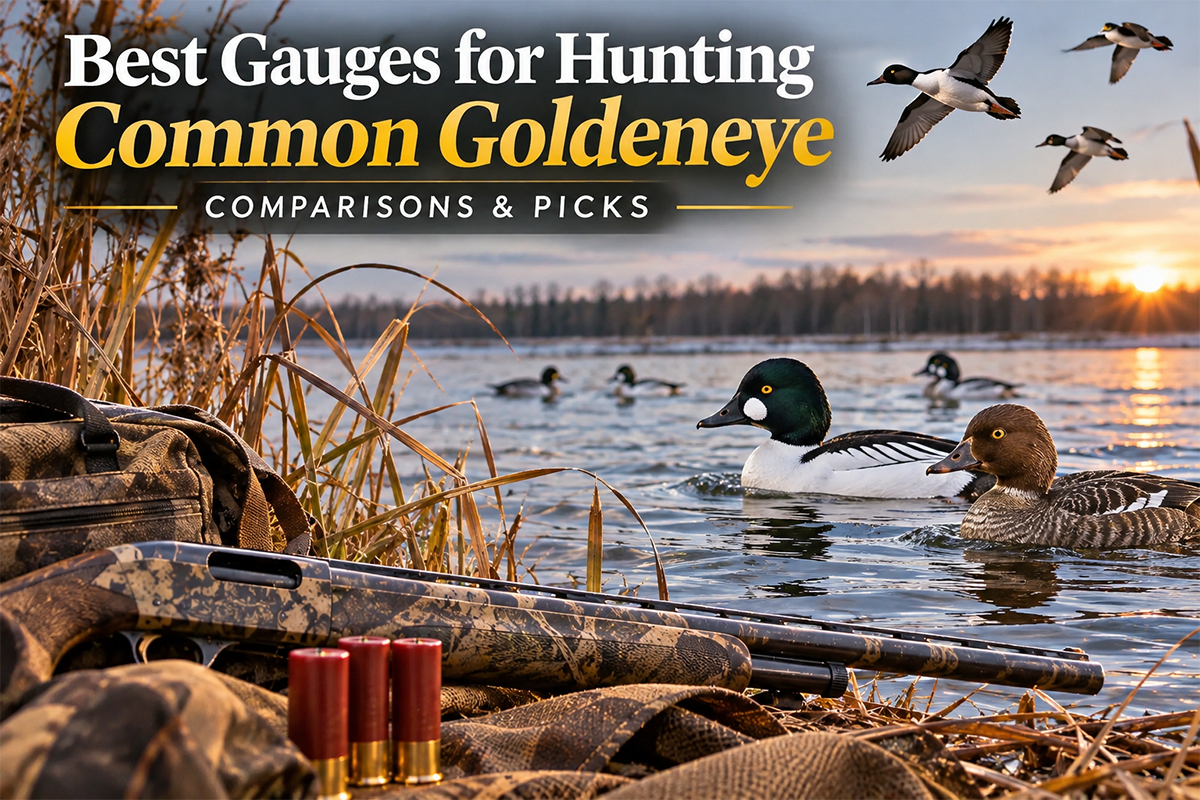
Compare the best shotgun gauges, nontoxic loads, recoil characteristics, and practical shooting ranges for Common Goldeneye hunting.
Common Goldeneye hunting presents a distinctive challenge for waterfowlers. These fast-flying diving ducks frequently inhabit cold, open water, where wind, changing distances, and unpredictable flight paths demand reliable shotgun performance. Choosing among common goldeneye hunting gauges means considering more than raw power. Shot pattern density, ammunition selection, recoil control, and firearm handling all influence your effectiveness. The 12 gauge remains the most versatile choice, but 20, 28, and 10 gauge shotguns each offer advantages for particular hunters and conditions. This guide compares four practical options, explains their strengths and limitations, and helps you select a shotgun and approved nontoxic ammunition combination suited to your hunting environment.
Where/When: Common Goldeneyes are typically hunted across North America, particularly around the Great Lakes, large inland rivers, reservoirs, and protected coastal waters of the United States and Canada. These diving ducks often concentrate near rocky shorelines, mussel beds, current breaks, and ice-free feeding areas. Fall migration generally intensifies as northern waters freeze, making late autumn and winter productive periods where seasons remain open. Birds may move between feeding and resting areas throughout the day, with early morning and changing weather sometimes providing opportunities. Wind, cold fronts, and expanding ice can shift their locations quickly. Watch for low, fast flights over open water and the distinctive whistling sound of their wings. Hunting seasons, shooting hours, bag limits, and local access rules vary by jurisdiction.
Common Goldeneye Hunting Gauges Compared
| Feature | 12 Gauge | 20 Gauge | 28 Gauge | 10 Gauge |
|---|---|---|---|---|
| RecoilDepends on firearm weight and ammunition. | Moderate to heavy | Light to moderate | Generally light | Substantial; heavier guns help |
| Practical Pattern RangeApproximate starting ranges; verify actual patterns. | 25–40 yards | 20–35 yards | 20–30 yards | 30–45 yards |
| Typical Nontoxic LoadsExamples, not universal recommendations. | No. 2–4 steel; No. 4 bismuth | No. 2–4 steel; No. 4 bismuth | No. 3–4 steel; No. 4–5 bismuth | No. 1–3 steel |
| VersatilityOther common hunting applications. | Ducks, geese, upland birds | Ducks, upland birds | Upland birds, close-range ducks | Waterfowl, especially larger birds |
| Ammunition AvailabilityVaries by region and supplier. | Generally excellent | Generally good | More specialized | Limited specialty selection |
These ranges are conditional, not guaranteed effective distances. Actual performance depends on pellet material, payload, choke, pattern quality, shooting ability, and conditions. Always pattern your intended hunting load before deciding your maximum responsible range.
12 Gauge — Best Overall for Common Goldeneye
The 12 gauge is the strongest all-around recommendation for Common Goldeneye hunters. Its broad ammunition selection and flexible payload options make it practical for both protected shoreline setups and larger open-water environments. Common starting choices include 3-inch shells carrying No. 2 or No. 3 steel shot, although properly patterned No. 4 bismuth loads are another option. The larger payload capacity supports useful pattern density while retaining adequate pellet size for diving ducks. A well-fitted 12-gauge shotgun also accommodates different hunting methods without requiring specialized equipment. For hunters purchasing one shotgun for several types of waterfowl, it provides an excellent balance of practicality, versatility, and ammunition availability.
PROS
- Excellent variety of approved nontoxic ammunition.
- Flexible payloads for different shooting conditions.
- Widely available shotgun models and accessories.
CONS
- Heavy loads can produce uncomfortable recoil.
- Some shotguns are cumbersome during long walks.
- Premium ammunition increases operating costs.
Interesting Fact: A 12-gauge shotgun can deliver very different patterns depending on ammunition and choke selection, even when the shells use identical shot sizes.
Consider This Gauge If…
You regularly hunt rivers, large lakes, or coastal water and want one dependable shotgun for multiple waterfowl species. A 3-inch chamber provides considerable ammunition flexibility, while 3½-inch capability is optional rather than necessary. Choose a shotgun with comfortable stock dimensions, manageable weight, and chokes rated for your ammunition. Pattern several approved loads at realistic distances, beginning around 30–35 yards. A consistent pattern matters more than selecting the heaviest available shell. Hunters sensitive to recoil can benefit from moderate loads, proper gun fit, and appropriate recoil-management features.
20 Gauge — Best for Lightweight Handling
The 20 gauge offers an appealing combination of lighter firearm options and manageable recoil. It is especially useful when hunting from shoreline blinds, walking between access points, or handling a shotgun in confined boats. Modern 20-gauge ammunition includes steel and bismuth loads suitable for ducks when matched to appropriate distances. A 3-inch No. 3 steel load can be a sensible starting point for pattern testing. Although payload capacity is generally lower than that of a 12 gauge, good patterns and disciplined shooting can make the 20 gauge highly effective on Common Goldeneyes within the hunter’s verified range.
PROS
- Often lighter and easier to carry.
- Manageable recoil with suitable loads.
- Useful for waterfowl and upland hunting.
CONS
- Smaller payloads require careful pattern selection.
- Less forgiveness at extended distances.
- Some premium nontoxic loads cost more.
Interesting Fact: A lighter shotgun does not automatically produce less felt recoil; firearm weight, stock fit, and ammunition characteristics all matter.
Consider This Gauge If…
You prioritize portability, comfortable handling, and moderate recoil over maximum payload capacity. The 20 gauge suits hunters who can consistently take close, controlled opportunities over decoys or predictable flight lines. Test No. 3 steel or appropriate bismuth loads on pattern paper, and check chamber markings before purchasing 3-inch ammunition. It is a particularly sensible choice for smaller-framed hunters or anyone who shoots a lighter shotgun more confidently than a heavy 12 gauge.
28 Gauge — Best for Experienced Close-Range Hunters
The 28 gauge is a specialized choice for Common Goldeneye hunting, offering pleasant handling but less payload capacity than larger gauges. It can perform well for experienced waterfowlers who consistently limit shots to close ranges. Approved bismuth ammunition is particularly worth investigating because its greater density compared with steel can provide useful pellet performance. However, smaller payloads make pattern quality critical. Hunters should avoid assuming that a premium shell automatically compensates for insufficient pellet coverage or excessive distance. The 28 gauge works best when birds approach predictably and passing on marginal opportunities is part of the plan.
PROS
- Lightweight, responsive shotgun options.
- Comfortable handling with appropriate loads.
- Excellent crossover potential for upland hunting.
CONS
- Limited payload capacity and smaller patterns.
- Specialty nontoxic ammunition can be expensive.
- Less suitable for distant or unpredictable shots.
Interesting Fact: Bismuth shot is denser than steel, allowing hunters to consider smaller pellet sizes while retaining useful downrange energy.
Consider This Gauge If…
You already own a suitable 28-gauge shotgun, enjoy close-range waterfowling, and are comfortable paying more for specialized ammunition. Start by evaluating approved No. 4 or No. 5 bismuth loads and confirming consistent coverage at approximately 20–30 yards. Verify shell length, choke compatibility, and manufacturer guidance. For hunters buying their first dedicated Goldeneye shotgun, the 12 or 20 gauge generally provides greater flexibility and better ammunition access.
10 Gauge — Best for Specialized Open-Water Hunting
The 10 gauge is a substantial waterfowl option designed around heavier shot payloads and larger shotguns. Although legal under general U.S. federal migratory-bird firearm restrictions, it is rarely necessary for Common Goldeneyes. Its principal advantage is maintaining substantial pellet payloads for challenging open-water situations. Many modern examples use 3½-inch shells, often loaded with larger steel shot. However, additional payload does not excuse poor range judgment, and the practical benefits depend on actual pattern testing. The weight and bulk of these shotguns also make them less attractive for mobile hunters.
PROS
- Substantial payload capacity.
- Heavy firearms can moderate perceived recoil.
- Useful for dedicated open-water waterfowl setups.
CONS
- Heavy and bulky compared with smaller gauges.
- Limited ammunition and firearm selection.
- More shotgun than most Goldeneye hunts require.
Interesting Fact: The 10 gauge is the largest shotgun gauge generally permitted for U.S. migratory game bird hunting.
Consider This Gauge If…
You are an experienced waterfowler with a specialized open-water setup, already own a compatible shotgun, and value heavier payloads over portability. Test appropriate nontoxic steel loads with manufacturer-approved chokes, confirming patterns before increasing shooting distance. Account for firearm weight, boat handling, recoil, and ammunition supply. For most Common Goldeneye hunters, a well-patterned 12 gauge will be easier to manage and more economical.
Final Verdict: Choosing the Best Gauge for Common Goldeneye
For most hunters, the 12 gauge is the best overall choice because it combines ammunition availability, manageable equipment options, and dependable patterning potential. The 20 gauge is an excellent alternative for hunters who value reduced weight and comfortable handling. Experienced close-range hunters may enjoy the 28 gauge, while the 10 gauge remains a specialized option for dedicated waterfowl enthusiasts.
Whichever gauge you choose, ethical hunting begins with testing your specific shotgun, choke, and approved nontoxic load on pattern paper. Evaluate pellet distribution at realistic distances and limit shooting to ranges where your equipment and abilities support a clean harvest. Positively identify each bird before firing, aim for effective hits through the bird’s vital area, maintain a safe background and shooting direction, and never shoot indiscriminately into flocks. Keep the muzzle controlled, the safety procedures consistent, and your firearm unloaded when appropriate during transport and handling.
In the United States, federal migratory bird rules generally prohibit shotguns larger than 10 gauge and restrict magazine capacity to three shells, with specific exceptions. Approved nontoxic shot is required for waterfowl. Hunters must also verify applicable seasons, species-specific limits, shooting hours, licenses, federal duck stamp requirements, and local hunting methods. Canadian hunters must follow federal and provincial regulations, including applicable migratory game bird permits.
Common Goldeneye and Barrow’s Goldeneye can be difficult to distinguish, particularly females, and different harvest restrictions may apply. For example, Western Washington and British Columbia specify goldeneye limits in their 2026–2027 regulations. Verify identification and the latest rules before hunting. Consult the U.S. Fish and Wildlife Service, Washington hunting regulations, or Canadian migratory bird regulations for authoritative guidance.